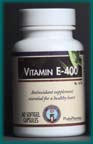
Hyporil™
No. 12356, 12366Dietary supplement for proper carbohydrate and sugar metabolism
60 tablets, 60 hard shell capsules
| | Hyporil™No. 12356, 12366Dietary supplement for proper carbohydrate and sugar metabolism 60 tablets, 60 hard shell capsules |
| Description: |
| Hair and Skin Nutrition contains: Vitamins, Minerals, Herbs |
| Structure/Function/Usage: |
| Hair and Skin Nutrition is designed to nutritionally support optimal eye function. |
| Introduction: |
| The combination of nutrients in this formula maintain the structural components of the eye and help support proper eye health. Age-related degeneration is common; however, eye disorders should not be considered a normal function of aging. A cataract is a diminished transparency of the eye due to white, opaque blemishes on the lens. As people age, lens proteins are subject to sustained damage by light and certain forms of harmful oxygen compounds. The accumulation of damaged protein results in opacities on the normally transparent lens; thus, light can not be focused and transmitted to the retina. Cataracts are considered the leading cause of altered vision in people over 65 years of age in the United States. Approximately four million people in the United States are effected by degeneration of the eye; in addition, 40,000 more are classified as legally blind.1 Moreover, poor vision is a cause of enormous financial burden in society today. It is estimated that more than $5 billion is spent annually to perform over one million cataract extractions.2 The macula is the area of the retina responsible for fine vision and image focusing. As people age, the cells of the innermost layer of the retina, the retinal pigmented epithelium (RPE), slowly accumulate with other damaged tissue components into what is referred to as drusen. This decrease in vision is attributable to both free-radical damage and a decrease in blood and oxygen supply to the eye. Other major risk factors include smoking, aging, atherosclerosis, and high blood pressure. Degeneration of the macula is the leading cause of severe visual loss in the United States and Europe in people over age 55. 3 In addition, estimates indicate that over 150,000 Americans are legally blind due to macular degeneration, and more than 20,000 new cases appear each year. 4,5 In the night visual process, retinal, a form of vitamin A, and opsin, a protein in the eye, combine to form rhodopsin. Rhodopsin is critical for the proper function of the rod cells of the retina. When light strikes the eye, a structural change in rhodopsin signals the brain that light is present, and the visual cycle switches to the color-sensing cone cells. For this cycle to function properly, a constant supply of vitamin A must be available. When prolonged deficiencies occur, the degeneration of the retina leads to increases in the occurrence of night blindness.6 Current evidence indicates that free radical damage may contribute to degeneration of the eye.7-14 In the formation of eye disorders, the normal protective mechanisms of the eye can not prevent this free radical damage. |
| Free Radicals: |
A free radical is an element that damages essential cellular structures including DNA, lipids, carbohydrates, and proteins. Certain levels of free radicals are a necessary and natural result of cellular metabolism; however, an abundance of them can have adverse consequences (eg, acceleration of the aging process and the development of degenerative diseases). Studies have shown that environmental pollutants may also contribute to the formation of free radicals in the eye.3,14 |
| Role of Antioxidants in Eye Function: |
Clinical studies indicate that antioxidants are the bodyÕs primary defense against free radical damage.7,9,12 Antioxidants exert their protection by blocking a free radicalÕs ability to harm cells. As a person ages, high levels of antioxidant enzymes, such as superoxide dismutase (SOD), catalase, and glutathione (GSH) are important for optimal eye health. In addition, the accessory antioxidants vitamins A, E, C, zinc, and selenium play a key role. |
| Vitamin A: |
The relationship of vitamin A to vision has been well established. Vitamin A has many active forms, such as retinal, retinol, and beta-carotene. In regards to the health of the eye, retinal is important in night vision, and beta-carotene may act as an important antioxidant.6, 8,11,15 Deficiencies in vitamin A can lead to impairment of night vision, dry eye, and clouding of the lens and cornea.10 In fact, vitamin A deficiency is considered the most prevalent vitamin deficiency in the world.10 |
| Vitamin C: |
Vitamin C is an important vitamin for proper eye health. Its primary function in the body is to form collagen, a protein important in body structure. Studies have also suggested that vitamin C may act as an efficient antioxidant, help support the function of antioxidant enzymes, and enhance the recycling of vitamins E and A.15-17 A recent break-through study has proposed a probable connection between vitamin C and eye health. The researchers observed that DNA injury due to UV radiation contributed to the formation of lens-clouding cataracts. The results suggested that vitamin C protected the eye from this damage.18 The amount of vitamin C in the eye is twenty times greater than the amount of vitamin C found in the blood; thus, high supplementation of vitamin C is essential to maintain proper eye function.1 A severe deficiency in vitamin C can result in structural insufficiencies or even scurvy. |
| Vitamin E: |
The fat-soluble vitamin E and the trace mineral selenium are known to work synergistically in the visual process.7,9 Specifically, research has shown that vitamin E may function as a major antioxidant in important biological lipid compartments, eg, membranes.15,19 |
| Selenium: |
Selenium is a required constituent in glutathione peroxidase, an enzyme that converts free radicals into harmless forms.6 Adequate levels of selenium are required for optimal eye function, as it also helps spare and possibly recycle the bodyÕs level of vitamin E.20 Additional research has shown that there is a correlation between low selenium levels and poor antioxidant defenses.21 |
| Riboflavin: |
Riboflavin (vitamin B2) is an important nutrient for the eye function. Riboflavin is believed to function in the regeneration of the active antioxidant enzyme, glutathione.22 |
| Minerals: |
Adequate amounts of zinc and copper are also required to protect against eye degeneration. Zinc and copper must be present for proper functioning of superoxide dismutase, an antioxidant enzyme. In particular, research has shown that zinc may play an important role in the prevention of visual disturbances.23 |
| Herbal Compounds: |
Many flavonoid-rich herbal compounds support normal development and function of the eyes. Bilberry extract (standardized to contain 25% anthocyanidins) and grape seed extract (standardized to contain 95% procyanidolic oligomers [PCOs}) appear to function as potent antioxidants, and they help improve the delivery of necessary oxygen and blood to the eye.24 Specifically, the anthocyanosides in bilberry provide structural and functional support to the retina.24 Studies have also shown that PCOs play an important role in normal vision, based on their ability to increase intracellular vitamin C levels. In addition, the antioxidative properties of PCOs appear to be 50 times more effective than those of other vitamin-based antioxidants.25 |
| Other Ingredients: |
Hachimijiogan, an ancient Chinese herbal formula, and curcumin, the yellow pigment of the perennial herb tumeric may prevent oxidative damage to the eye.26 Similarly, research has shown that lutein, a carotene lacking vitamin A activity and a constituent of the macular pigment, may offer unique antioxidant protection to the macula.2 |
| Precautions: |
Research to date suggests that the nutrients in this formula appear to be extremely well-tolerated when used as directed. However, customers are advised to seek the advice of a physician when a product is used in conjunction with a prescribed medication. |
| Stability: |
Store at controlled room temperature, 59°F to 86°F (15°C to 30°C) *This statement has not been evaluated by the Food and Drug Administration. This product is not intended to diagnose, treat, cure or prevent any disease. |
| References: |
1. Murray M, Pizzorno J. Cataracts. In: Encyclopedia of Natural Medicine. 2nd ed. Rocklin, Calif: Prima Publishing; 1998:319-320. 2. Adamsons I, Munoz B, Enger C, Taylor HR. Prevalence of lens opacities in surgical and general populations. Arch Opthalmol. 1991:109;993-997. 3. Murray M, Pizzorno J. Macular degeneration. In: Encyclopedia of Natural Medicine. 2nd ed. Rocklin, Calif: Prima Publishing; 1998:622-623. 4. Newsome DA. Medical treatment of macular diseases. Opthalmol Clin N Amer. 1993:6;307-314. 5. Young RW. Pathophysiology of age-related macular degeneration. Survey Opthalmol. 1987:31;291-306. 6. Wardlaw GM, Insel PM. Vitamins in general and fat-soluble vitamins. In: Perspectives in Nutrition. 2nd ed. St. Louis, MO: Mosby; 1993:348-375. 7. Antioxidant status and neovascular age-related macular degeneration. Eye disease case-control study group. Arch Opthalmol. 1993:111;104-109. 8. Florence TM. The role of free radicals in disease. Aust-NZ J Ophthalmol. 1995;23:3-7.Abstract. 9. Kneekt P, Heliovaara M, Rissanen A, Aromaa A, Aaran RK. Serum antioxidant vitamins and risk of cataract. BMJ. 1992:305;1392-1394. 10. Marieb EN. Nutrition, metabolism, and Body Temperature Regulation. In: Human Anatomy and Physiology. Redwood City, Calif: The Benjamin/Cummings Publishing Company Inc; 1989:810-818. 11. Murray M, Pizzorno J. Supplementary Measures. In: Encyclopedia of Natural Medicine. 2nd ed. Rocklin, Calif: Prima Publishing; 1998:75. 12. Snodderly DM. Evidence for protection against age-related macular degeneration by carotenoids and antioxidant vitamins. Am J Clin Nutr. 1995:62 (suppl);1448S-1461S. 13. Jacques PF, Chylack LT, Taylor A. Relationships between natural antioxidants and cataract formation. In: Natural Antioxidants and Cataract Formation. San Diego, Calif: Academic Press, Inc.; 1994:515-533. 14. Taylor A, Jacques PF, Epstein EM. Relation among aging, antioxidant status, and cataract. Am J Clin Nutr. 1995:62 (suppl);1439S-1447S. 15. Sies H, Stahl W, Sundquist AR. Antioxidant functions of vitamins. Vitamins E and C, beta-carotene, and other carotenoids. Ann N Y Acad Sci. 1992:669;7-20. 16. Johnston CS, Meyer CG, Srilakshmi JC. Vitamin C elevates red blood cell glutathione in healthy adults. Am J Clin Nutr. 1993:58;103-105. 17. Wardlaw GM, Insel PM. The Water-Soluble Vitamins. In: Perspectives in Nutrition. 2nd ed. St. Louis, MO: Mosby; 1993:380-410. |
©1999 Enzymatic Therapy Corporate Intranet